
Veleco ZT15 Classic
A practical mobility scooter, best matched to how and where you will use it, held back mainly by a few practical limitations.
Three-wheel mobility scooters trade a little stability for a much tighter turning circle, which makes them easier to manoeuvre indoors, in shops and around tight corners. This guide explains when a 3-wheel scooter is the right pick and which models we rate.
Choose a 3-wheel scooter if turning and indoor manoeuvring matter most - getting around shop aisles, tight rooms and corners with more legroom at the front. Choose a 4-wheel scooter if outright stability is the priority, especially on slopes, cambers and uneven ground or if you are a heavier user. Both come in pavement (Class 2) and faster (Class 3) versions, so the wheel count is about manoeuvrability versus stability, not speed.
A 3-wheel scooter has a single steering wheel at the front, giving a tighter turning circle and more room for your feet and legs - handy indoors and in shops. A 4-wheel scooter spreads its weight over a wider front, which feels more planted on slopes, kerbs, cambers and rough ground. Neither is universally better: it is a genuine trade-off between agility and stability, so choose for the situations where you will spend most of your time.
For most users on flat pavements and indoors, a quality 3-wheel scooter is perfectly stable when ridden sensibly - taking corners at a reasonable speed and avoiding steep side-slopes. If you regularly tackle hills, cambered pavements, kerbs or rough ground, or you are a heavier user, a 4-wheel scooter gives more reassurance. As with any scooter, slow down for turns and uneven surfaces.
Three-wheel scooters suit people who do a lot of indoor and shop-floor manoeuvring, want more legroom, and travel mostly on flat, even surfaces. If your routes include hills, cambered or broken pavements, frequent kerbs, or you need maximum stability and a higher weight capacity, lean towards a 4-wheel model instead.
A practical mobility scooter, best matched to how and where you will use it, held back mainly by a few practical limitations.

A practical mobility scooter, best matched to how and where you will use it, held back mainly by a few practical limitations.

A practical mobility scooter, best matched to how and where you will use it, held back mainly by a few practical limitations.

A practical mobility scooter, best matched to how and where you will use it, held back mainly by a few practical limitations.

A practical mobility scooter offering folds for transport, best matched to how and where you will use it, held back mainly by the lifting weight some users will find heavy.

A practical mobility scooter, best matched to how and where you will use it, held back mainly by a few practical limitations.

A practical mobility scooter offering range up to 6.5 miles and folds for transport, best matched to how and where you will use it, held back mainly by the lifting weight some users will find heavy.
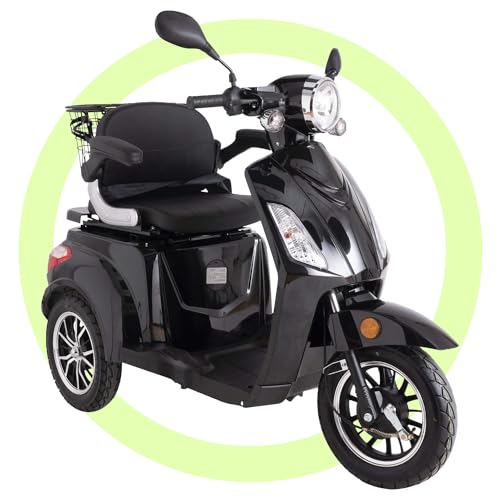
A practical mobility scooter, best matched to how and where you will use it, held back mainly by a few practical limitations.

A practical mobility scooter offering max user weight. Stone, best matched to how and where you will use it, held back mainly by a few practical limitations.
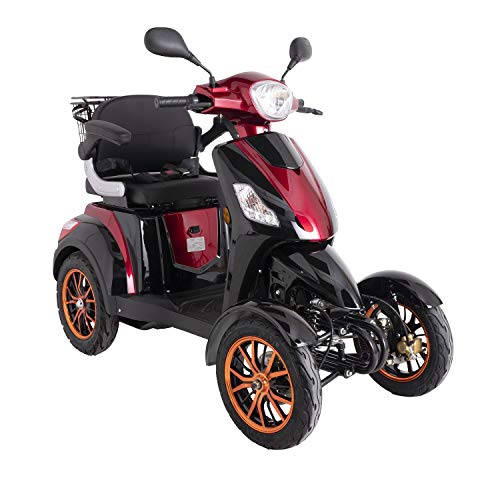
A practical mobility scooter, best matched to how and where you will use it, held back mainly by a few practical limitations.
Yes, when ridden sensibly on suitable ground. A quality 3-wheel scooter is stable on flat pavements and indoors, with the benefit of a tighter turning circle. For steep slopes, cambered pavements, kerbs or heavier users, a 4-wheel scooter offers more stability.
A 3-wheel scooter turns more tightly and gives more legroom, which suits indoor and shop manoeuvring. A 4-wheel scooter is more stable on slopes, cambers and rough ground and usually supports heavier users. It is a trade-off between agility and stability rather than speed.
A 3-wheel scooter is usually better indoors because its tighter turning circle makes corners, doorways and shop aisles easier to manage. If you also travel a lot outdoors on uneven ground or slopes, weigh that against the extra stability of a 4-wheel model.
Our top pick is the Veleco ZT15 Classic (our score 8.8/10) - A practical mobility scooter, best matched to how and where you will use it, held back mainly by a few practical limitations..