
Auto-Folding Lightweight Scooter 24kg
A practical mobility scooter offering folds for transport, best matched to how and where you will use it, held back mainly by the lifting weight some users will find heavy.
If money is tight, the idea of a free mobility scooter is appealing - and there are real ways to reduce the cost. But genuinely free scooters are limited and conditional, and some routes provide a scooter on lease rather than as a gift. This guide explains the honest options in the UK, where to check, and what to watch out for. It is general information, not advice on your personal eligibility, which only the official schemes can confirm.
Completely free mobility scooters are uncommon. The realistic routes are: leasing one through the Motability Scheme using a qualifying disability benefit (you exchange part of the benefit, so it is not free, but there is no large upfront cost), applying to charities or grant funds that sometimes help with the cost, buying a good used scooter to save money, or spreading the cost with finance. The NHS does not generally supply mobility scooters. Below we explain each route and where to check, but only the official schemes can confirm whether you personally qualify - so always check directly and do not rely on any guarantee.
The Motability Scheme is the main route to a scooter without a large upfront payment. It lets people who receive the higher or enhanced rate of the mobility component of certain disability benefits exchange that mobility payment to lease a scooter, powered wheelchair or car, usually with insurance, servicing and breakdown cover included. It is a lease, not a free gift - you give up part of your benefit for the duration, and the scooter goes back at the end. Eligibility depends on which benefit you receive and at what rate, and the rules can change. Check your eligibility and the current terms directly at [motability.co.uk](https: //www.motability.co.uk) and your benefit details at [gov.uk](https: //www.gov.uk). We cannot confirm whether you qualify.
Generally no. The NHS does not routinely supply mobility scooters. NHS wheelchair services may provide a manual or powered wheelchair to people who meet their clinical criteria, which is a different thing from a scooter, and provision and waiting times vary by area. If a wheelchair would meet your needs, ask your GP or healthcare team for a referral to your local NHS wheelchair service. Do not assume a scooter will be provided free on the NHS - it usually will not be.
Some charities and grant-giving trusts occasionally help with the cost of mobility equipment, especially for people on low incomes or with specific conditions. Sources worth exploring include disability and condition-specific charities, local councils and adult social care, the Family Fund (for families with disabled children), and grant-search tools such as Turn2us ([turn2us.org.uk](https: //www.turn2us.org.uk)). Help is limited, often means-tested, and never guaranteed, so apply early and to several sources. A local Citizens Advice ([citizensadvice.org.uk](https: //www.citizensadvice.org.uk)) can help you find and apply for support.
If you are buying yourself, two routes keep the cost down. A good used scooter can be far cheaper than new - buy from a reputable mobility dealer where possible, check the battery age and condition (batteries are the costly part to replace), ask for a service history, and try it before you buy. Pay-monthly finance spreads the cost into manageable payments, but you pay more overall through interest, so check the total amount payable and that the repayments are affordable. Be cautious of any seller pressuring you into finance you are unsure about.
Many mobility scooters can be bought VAT-free (zero-rated) if they are for personal use by someone who is chronically sick or disabled - the retailer asks you to complete a simple declaration, and there is no need to send anything to HMRC in advance. This is a genuine saving on the purchase price. Finally, be wary of adverts promising a 'free' scooter in exchange for personal or bank details, or with conditions buried in the small print. If an offer seems too good to be true, check it against the official sources above before sharing any information.
A practical mobility scooter offering folds for transport, best matched to how and where you will use it, held back mainly by the lifting weight some users will find heavy.

A practical mobility scooter, best matched to how and where you will use it, held back mainly by a few practical limitations.
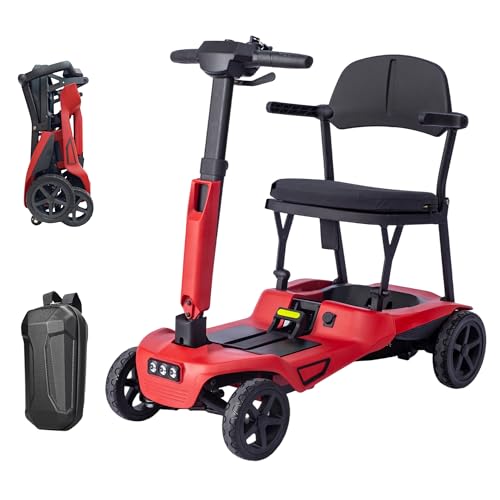
A practical mobility scooter offering range up to 10 miles and folds for transport, best matched to how and where you will use it, held back mainly by the lifting weight some users will find heavy.
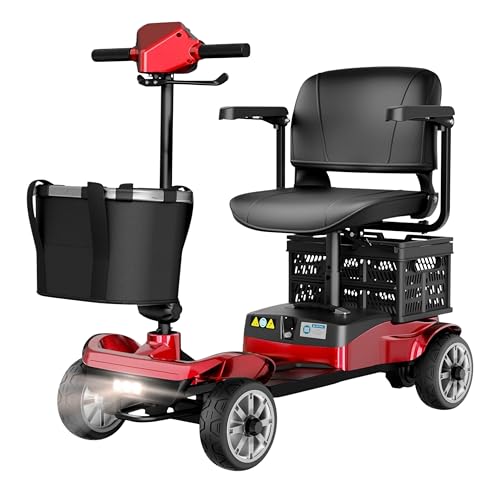
A practical mobility scooter offering range up to 13.75 miles and max user weight 135 kg, best matched to how and where you will use it, held back mainly by a few practical limitations.

A practical mobility scooter offering folds for transport, best matched to how and where you will use it, held back mainly by the lifting weight some users will find heavy.

A practical mobility scooter offering range up to 12.5 miles, best matched to how and where you will use it, held back mainly by a few practical limitations.
Genuinely free scooters are uncommon. The main routes are leasing one through the Motability Scheme using a qualifying disability benefit (a lease, not a gift), applying to charities or grant funds, buying used, or using finance. The NHS does not generally supply scooters. Only the official schemes can confirm whether you personally qualify, so always check directly.
No, the NHS does not routinely supply mobility scooters. NHS wheelchair services may provide a manual or powered wheelchair to people who meet their clinical criteria, which is different from a scooter, and provision varies by area. Ask your GP about a referral to your local wheelchair service if a wheelchair would meet your needs.
It lets people who receive the higher or enhanced rate of the mobility component of certain disability benefits exchange that payment to lease a scooter, powered wheelchair or car, often with insurance and servicing included. It is a lease, not a free gift. Eligibility depends on your benefit and rate, so check the current terms at motability.co.uk and your benefit at gov.uk.
Often yes. Many mobility scooters can be bought VAT-free if they are for personal use by someone who is chronically sick or disabled. The retailer asks you to sign a short eligibility declaration at the point of sale. This is a genuine saving, but check the retailer applies it correctly.
Possible sources include the Motability Scheme, disability and condition-specific charities, local councils and adult social care, the Family Fund for families with disabled children, and grant-search tools such as Turn2us. Help is limited and often means-tested, so apply early and to several sources. Citizens Advice can help you find and apply for support.
Our top pick is the Auto-Folding Lightweight Scooter 24kg (our score 9.6/10) - A practical mobility scooter offering folds for transport, best matched to how and where you will use it, held back mainly by the lifting weight some users will find heavy..