
Auto-Folding Lightweight Scooter 24kg
A practical mobility scooter offering folds for transport, best matched to how and where you will use it, held back mainly by the lifting weight some users will find heavy.
Mobility scooter insurance is not legally required in the UK, but it is widely recommended. This guide explains the position on insurance, why it is worth considering, and what it typically covers.
Insurance is not a legal requirement for either Class 2 or Class 3 mobility scooters in the UK. However, it is strongly recommended, because it covers theft, accidental damage, and liability if you injure someone or damage property. Given the cost of a scooter and the risk of an accident, many users consider insurance well worth the modest premium for peace of mind.
No - unlike a car, you are not legally obliged to insure a mobility scooter, even a Class 3 road scooter (which must be registered with the DVLA but needs no insurance by law). You also need no licence or road tax. That said, 'not required' does not mean 'not worth having' - the lack of a legal duty is different from the practical case for cover.
Insurance matters because a scooter is a valuable item that can be stolen or damaged, and because you could be liable if you injure a pedestrian or damage property in an accident. Liability claims in particular can be costly. For relatively little a year, insurance protects against these risks, which is why it is so widely recommended despite not being compulsory.
Check what each policy includes, as cover varies.
Insurance is worth considering for almost all scooter users, and especially those who ride outdoors, use a Class 3 scooter on roads, or own a more expensive model. The liability cover alone is a strong reason. If you only ever use a cheap scooter briefly indoors, the case is weaker, but for most outdoor and road use, cover is sensible.
A practical mobility scooter offering folds for transport, best matched to how and where you will use it, held back mainly by the lifting weight some users will find heavy.

A practical mobility scooter, best matched to how and where you will use it, held back mainly by a few practical limitations.
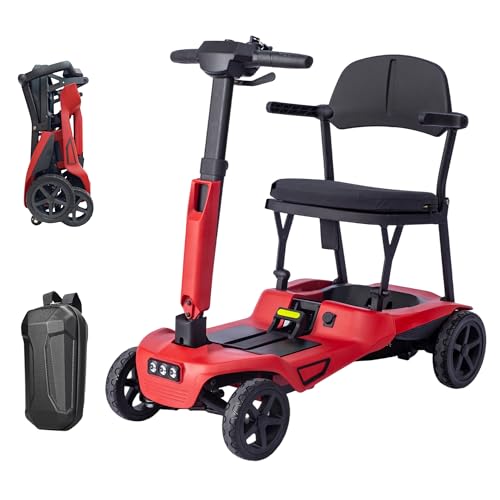
A practical mobility scooter offering range up to 10 miles and folds for transport, best matched to how and where you will use it, held back mainly by the lifting weight some users will find heavy.
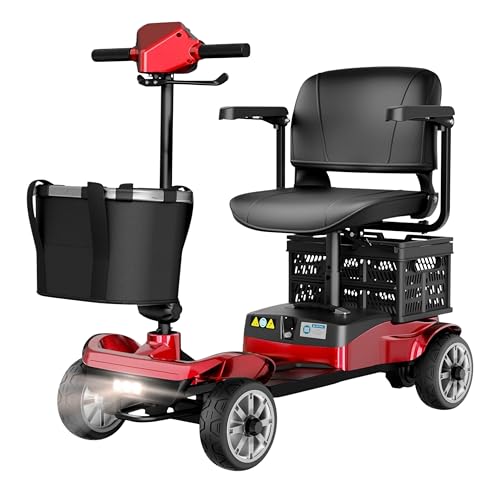
A practical mobility scooter offering range up to 13.75 miles and max user weight 135 kg, best matched to how and where you will use it, held back mainly by a few practical limitations.
No - it is not legally required for either Class 2 or Class 3 scooters. However, it is strongly recommended, covering theft, accidental damage and liability if you injure someone or damage property.
For most users, yes - it covers theft, damage and especially liability, which can be costly. For a modest premium it protects a valuable item and against accident claims, which is why it is widely recommended despite not being compulsory.
Not by law - a Class 3 scooter must be registered with the DVLA but needs no insurance, road tax or licence. Insurance is still strongly recommended, particularly for the liability cover when using roads.
Our top pick is the Auto-Folding Lightweight Scooter 24kg (our score 9.6/10) - A practical mobility scooter offering folds for transport, best matched to how and where you will use it, held back mainly by the lifting weight some users will find heavy..